
Picture this: you're standing in your kitchen, dinner's almost ready, and you reach for the plastic wrap to cover a bowl of leftovers. You pull, it sticks to itself, you pull again, and finally wrestle a sheet free — knowing full well that in 12 hours, that piece of plastic will be in a landfill forever.
It doesn't have to be this way. The good news? The most impactful changes are the ones that save you money while reducing waste. These 10 swaps are the ones we recommend to everyone starting their eco-friendly journey. They're affordable, effective, and each one replaces something you're probably already buying over and over.
2. Stop Buying Produce Bags — Get Reusable Mesh Bags
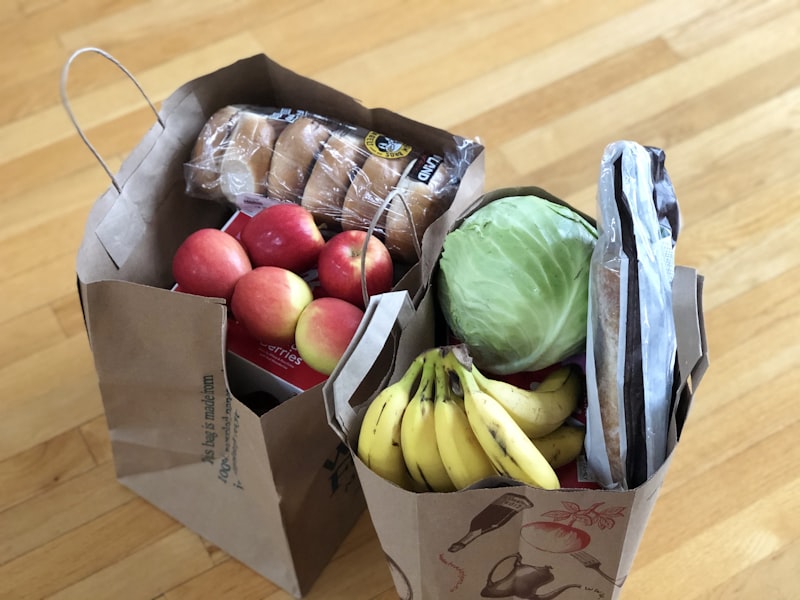
You know that moment at the grocery store checkout when you're trying to untangle a single plastic produce bag, and it's clinging to everything with static electricity? Then you use it for about 10 minutes and throw it away.
Reusable produce bags change the grocery experience. They're lightweight, they're breathable (your produce stays fresh longer), and they make you feel good every time you use them. Plus, you'll never have that embarrassing moment of forgetting your bags at the register again — these ones live in your car.
We like the Organic Cotton Reusable Produce Bags — they're washable, the tare weight is printed on each bag for hassle-free checkout, and a 10-pack covers all your shopping needs.
Waste eliminated: 300+ plastic bags per year per household
6. Say Goodbye to Paper Towels — Use Cloth Alternatives
Americans use about 13 billion pounds of paper towels each year. That's a lot of trees. Unpaper towels — cloth towels designed for kitchen cleanup — are washable, absorbent, and way more satisfying to use.
Look for organic cotton or bamboo fiber options. A set of 12-20 cloth towels costs about $20 and lasts years.
7. Switch to Dish Soap Bars or Refillable Bottles
Liquid dish soap is mostly water (literally), and it comes in plastic bottles that get thrown out monthly. Dish soap bars last longer, require zero packaging, and work just as well. Some brands even make them with natural ingredients safe for greywater systems.
8. Use a French Press Instead of Plastic Pods
Single-serve coffee pods are an environmental disaster — they're made of plastic and aluminum bonded together (almost impossible to recycle). A French press uses zero consumables, makes better coffee, and saves you about $0.50 per cup vs pods.
9. Make Your Own All-Purpose Cleaner
Most kitchen cleaners are 90% water with a few cents worth of chemicals — sold in non-recyclable plastic spray bottles. A simple mix of white vinegar, water, and a few drops of essential oil cleans just as well. Keep a reusable glass spray bottle and refill forever.
10. Buy in Bulk with Reusable Containers
This one's a mindset shift: instead of buying packaged goods, bring your own containers to bulk bins. Rice, pasta, nuts, spices, oats — almost everything in your pantry can be bought without packaging. Bonus: bulk prices are usually 10-30% cheaper than packaged equivalents.
Start Small, Win Big
You don't need to do all 10 at once. Pick two or three that feel easy, try them for a month, then add more. The goal isn't perfection — it's progress.
Every swap you make keeps plastic out of landfills and money in your pocket. That's a win-win.
Which swap are you trying first? Drop us a message and let us know.